Coming home after a neurological event is a major milestone, but it often feels like stepping into a new world without a map. Understanding what is stroke disease is the first step in navigating this journey. Essentially, it occurs when blood flow to the brain is interrupted, leading to cell damage. Because the brain controls everything from movement to speech, the recovery process requires a dedicated, structured approach to help the brain rewire itself through neuroplasticity. To begin this journey safely, many families look for signs need home care to ensure their environment is medically sound.
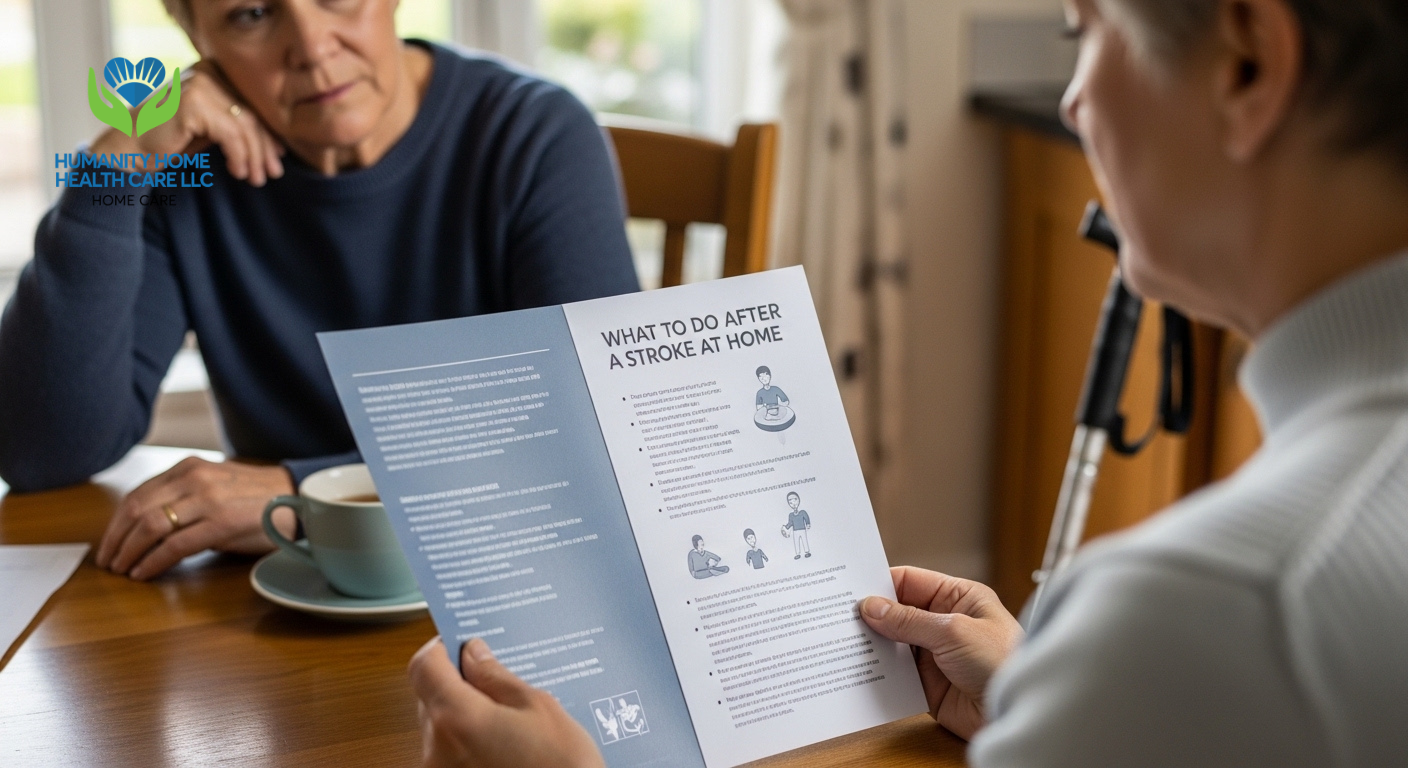
When families ask what to do after a stroke at home, the answer begins with creating a safe, supportive, and medically sound environment. The transition from a hospital to a living room involves more than just comfort; it requires a deep commitment to rehabilitation to ensure the survivor regains as much independence as possible. It is a time of high stress, but with the right preparation, the home becomes a sanctuary for healing rather than a place of risk.
Prioritizing Home Safety and Mobility
The first priority is safety. A person recovering often faces challenges with balance, coordination, and vision. Before they arrive, remove loose rugs, install grab bars in the bathroom, and ensure all walkways are well-lit. This physical preparation is a vital component of skilled nursing at home recovery, as it prevents falls that could lead to further complications. Every modification made to the house is a step toward preventing a secondary injury during the fragile early stages of recovery.
It is also crucial to know what to do when someone has a stroke even after they have returned home. While they have already had one event, the risk of a secondary event is highest in the months following. Recognizing the F.A.S.T. signs remains the most important skill for any caregiver. Knowing what to do if someone has a stroke a second time can save a life and minimize further brain damage.
Medical Management and Risk Reduction
Medical management is the backbone of recovery. A doctor will likely prescribe specific medications to manage blood pressure, cholesterol, or blood thinners to prevent clots. Adhering to this regimen is the most effective way to address senior care tips for families regarding risk reduction. Management requires precision, as missing even a single dose can significantly alter stability and increase the risk of another vascular event.
In addition to pharmacological help, understanding stroke treatment involves a holistic view. This includes rehabilitation that incorporates physical, occupational, and speech therapy. These therapies are the primary tools used to rebuild neural pathways. Consistent engagement with these professionals ensures that the individual is constantly challenged to improve their motor skills and cognitive functions.
Balancing Assistance with Independence
Being a caregiver is a marathon, not a sprint. You must monitor for changes in mood, as depression is very common following brain injuries. Effective choosing right home care involves balancing assistance with the encouragement of independence. If you do everything for the survivor, their brain has less incentive to relearn those tasks. It is about being a supportive coach rather than just a provider of services.
If you are wondering how to manage long-term lifestyle changes, focus on nutrition and hydration. A heart-healthy diet is a cornerstone of how to prevent stroke and other cardiovascular issues. Reducing sodium and saturated fats can significantly lower the biological triggers of brain attacks. Incorporating fresh vegetables and lean proteins can make a massive difference in long-term vascular health.
Long-Term Rehabilitation Strategies
The path to wellness helps families realize that recovery can take months or even years. Consistency is key. Even on days when progress feels slow, the repetition of therapy exercises is working beneath the surface. For those looking for professional assistance, services included home healthcare can provide the specialized nursing and therapy needed to accelerate progress. Professional oversight ensures that the exercises are being performed correctly to maximize the benefit of every session.
Many people search for how to stop a stroke before it happens. While you cannot halt an event once it is in progress, you can only seek immediate medical attention, you can stop the factors that lead to it. Managing chronic conditions like diabetes and hypertension is the most proactive way to stay healthy. Routine check-ups with a primary care physician are essential to keep these underlying factors under strict control.
Preparedness and Emergency Planning
Furthermore, knowing what steps to take during an emergency means being prepared. Keep a list of all prescriptions and the medical history in a visible place for emergency responders. This level of organization is a hallmark of excellent signs senior needs home care support management. Having this information ready can save precious minutes in a crisis, allowing medical teams to act with full knowledge of the history.
Rehabilitation is rarely a linear path. There will be days of significant breakthroughs followed by periods of plateau. Understanding the nature of the condition from a clinical perspective allows families to manage expectations. The brain is remarkably resilient, but it requires repetitive stimulation to form new connections. This is why daily exercises are a non-negotiable part of the routine.
Emotional Support and Communication
When considering life after the hospital, one must also look at communication. Aphasia, a common side effect where the survivor struggles to find words, can be incredibly frustrating. Caregivers should practice patience, using simple sentences and visual aids to reduce stress. Stress itself can be a trigger for elevated blood pressure, which is something we aim to avoid during the healing process.
Sometimes, the needs of the individual exceed what a family can provide alone. This is where professional home health services become invaluable. From monitoring vital signs to administering complex schedules, professional help ensures that recovery protocols are followed to the letter. These services allow the family to focus on emotional support rather than the taxing technicalities of medical care.
Prevention as a Lifelong Commitment
The best way to address health risks is to eliminate the source of the problem before it manifests. This involves a rigorous focus on heart health. High blood pressure is the leading cause of brain attacks, making regular monitoring a cornerstone of care. It is a lifelong commitment to vigilance and healthy choices that protects the brain from further damage.
Additionally, having a clear, documented emergency plan is vital. This plan should be shared with all family members and regular visitors. Education on warning signs can turn a bystander into a lifesaver. By maintaining a strict adherence to medical advice and lifestyle modifications, you are taking active control over the future.
Conclusion
The journey of recovery after a brain injury is a profound test of resilience for both the survivor and their family. By focusing on the fundamentals of the healing process, you create a landscape where progress is possible. Whether it is through meticulous care provided by Humanity Home Healthcare LLC or by staying vigilant with daily health routines, every small action contributes to the larger goal of independence.
Remember that recovery is not just about the physical body; it is about reclaiming a life. By mastering prevention and providing compassionate support, you are offering the best chance for a full and vibrant future. Stay patient, stay informed, and never hesitate to seek professional help when the road gets difficult. Vigilance is your greatest tool, and preparedness is your greatest defense. A recovery journey needs a team, and with the right resources, that team can achieve incredible things.
FAQs
What to do after a mild stroke?
After a mild stroke (or TIA), it is essential to follow up with a neurologist to identify the cause. Even if symptoms disappear, the underlying risk remains. Focus on lifestyle changes, such as quitting smoking and improving diet, and strictly follow your prescribed medical schedule.
What to expect the first week after a stroke?
The first week is often characterized by extreme fatigue as the brain tries to heal. You may notice “emotional lability,” where the survivor cries or laughs at inappropriate times. This is a normal part of the brain resetting. Physical therapy usually begins immediately to capitalize on early neuroplasticity.
What helps stroke recovery at home?
A combination of a safe environment, consistent physical therapy, and social support is most helpful. Using adaptive tools (like weighted utensils or reachers) can help a survivor regain independence. Consistent mental stimulation and social interaction also play a huge role in cognitive recovery.