
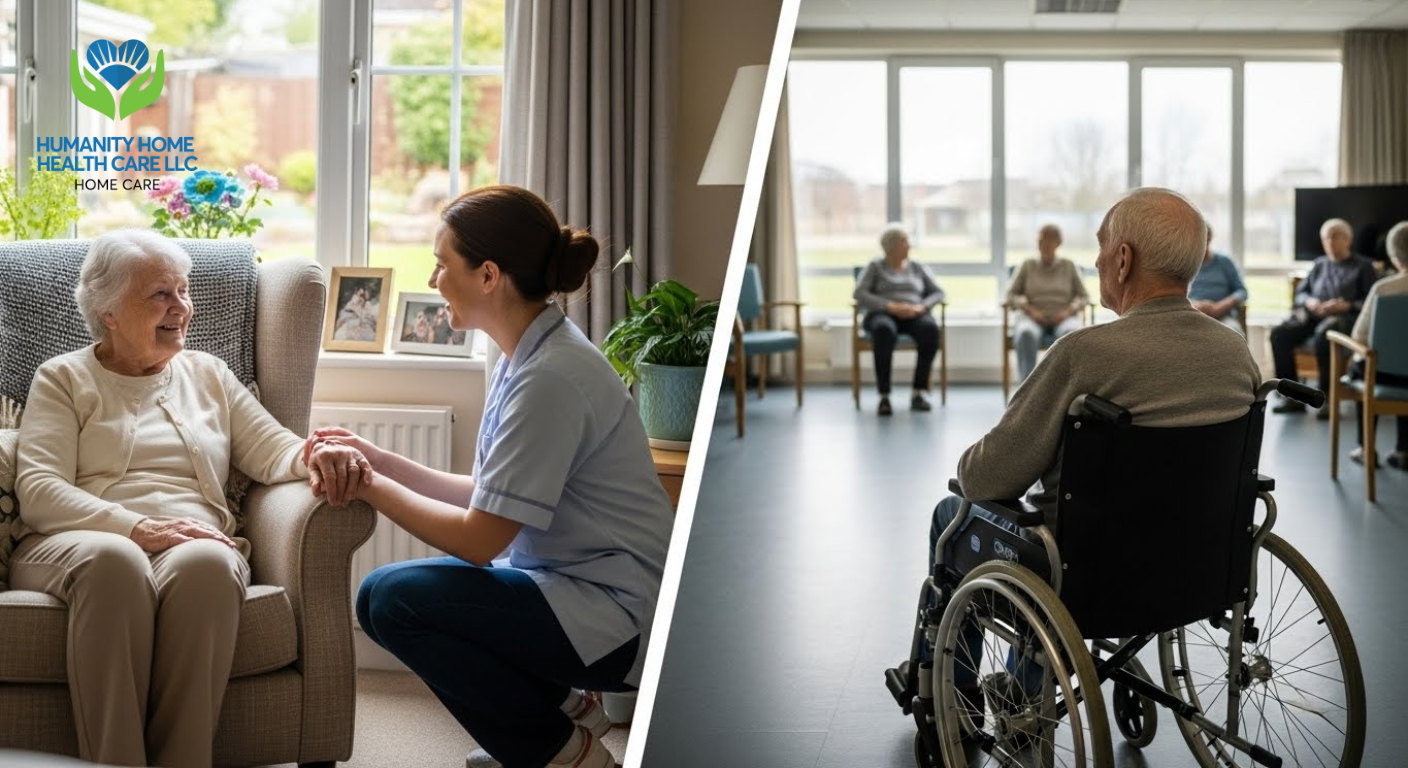
Families caring for aging loved ones often face a critical decision: should they opt for private duty nursing at home, or consider traditional nursing homes? Comparing the benefits of in-home care versus the structured environment of skilled nursing facilities comparison is essential for making informed decisions. While nursing homes offer round-the-clock supervision, home healthcare services provide personalized attention tailored to the unique needs of each senior, promoting comfort, independence, and a better quality of life.
Choosing personalized elderly care at home allows seniors to maintain daily routines in familiar surroundings. With home caregiver support, older adults receive not only medical oversight but also emotional and social engagement through companion care services. This approach enhances elderly independence at home, offering a sense of dignity that institutional settings often lack. Families benefit from peace of mind knowing their loved ones receive professional support without sacrificing comfort.
Senior-Centered Care Plans Designed for Home Living
One of the most compelling advantages of senior care support is the ability to implement personalized elderly care plans. Unlike nursing homes or skilled nursing facility comparison, where care is often standardized, home healthcare services adapt to individual needs and preferences. This flexibility ensures seniors receive appropriate care at the right time, improving both health outcomes and overall happiness.
Primary Advantages of Senior-Specific Care Plans:
- Customized Daily Care: Companion care benefits extend beyond supervision. Caregivers assist with meal preparation, medication reminders, and recreational activities, ensuring seniors stay active and engaged.
- Medical Oversight: With private duty nursing, chronic conditions are closely monitored, and potential health issues are addressed proactively. Regular check-ups and personalized treatment plans reduce hospital visits and improve overall health.
- Emotional Well-Being: Seniors often feel isolated in nursing homes. Personalized elderly care fosters meaningful connections between caregivers and residents, promoting social interaction, mental stimulation, and emotional security.
Families choosing home care advantages benefit from flexible scheduling, consistent support, and an environment designed around the senior’s comfort. This is especially significant when reviewing skilled nursing facilities comparison, where individualized attention may be limited due to staffing constraints.
Aging in Place Benefits
Aging in place benefits are widely recognized as a crucial component of senior care. Seniors who remain in their homes with home caregiver support enjoy familiar surroundings, routine stability, and a sense of autonomy that is difficult to replicate in nursing homes.
Top Aging in Place Benefits:
- Familiar Environment: Staying in a known setting reduces stress and disorientation, which is particularly beneficial for seniors with dementia or cognitive challenges.
- Health and Safety: With professional home healthcare services, safety measures such as fall prevention, emergency response, and medication management are integrated into daily life.
- Family Involvement: Families can actively participate in care, supporting the senior’s physical, emotional, and social needs. This involvement enhances the overall quality of care.
Through companion care services, private duty nursing, and personalized elderly care plans, seniors experience the optimal balance of independence and support. Many families see these advantages as preferable to skilled nursing care or other nursing home alternatives.
Comparing In-Home Care and Skilled Nursing Facilities
While nursing homes and skilled nursing facility comparison charts often highlight round-the-clock supervision, they may fall short in delivering personalized, holistic care. For many seniors, the regimented schedules and communal living environment can feel restrictive, limiting opportunities for meaningful engagement and elderly independence at home.
Home Care Advantages Over Nursing Homes:
- Individualized Attention: Home caregiver support ensures that seniors receive care tailored to their routines and preferences.
- Flexibility: Private duty nursing at home allows for care that adjusts as the senior’s needs evolve, offering more responsive health monitoring.
- Companion Care Benefits: Through companion care services, seniors receive emotional support, cognitive engagement, and recreational activities that enhance overall well-being.
Families evaluating nursing home alternatives often find that benefits of in-home care outweigh the advantages of institutional care. Seniors enjoy the comfort of their own homes while accessing professional oversight, making in-home care a practical and compassionate solution.
Companion Care Benefits
Companion care services offer more than simple supervision. Emotional support, social interaction, and cognitive engagement are central to companion care benefits, which are often absent in nursing homes. Personalized elderly care plans can include hobbies, memory exercises, and daily recreational activities, contributing to a higher quality of life.
Home Care Advantages Include:
- Social Engagement: Caregivers provide company and organize activities, reducing feelings of isolation and loneliness.
- Mental Stimulation: Structured activities help maintain cognitive functions, supporting emotional well-being.
- Independence: Elderly independence at home is preserved, allowing seniors to make choices about daily routines and lifestyle.
With consistent home caregiver support and access to private duty nursing, seniors can thrive in a safe and supportive environment. Families experience peace of mind knowing their loved ones are receiving comprehensive care that integrates both medical supervision and emotional support.
Choosing the Ideal Care for Seniors
Selecting between home healthcare services and nursing homes requires careful consideration of individual needs, lifestyle preferences, and medical requirements. While skilled nursing facilities provide necessary care for severe medical conditions, home care advantages emphasize comfort, flexibility, and personalized attention.
By implementing personalized elderly care plans, leveraging companion care services, and ensuring access to private duty nursing, families can create a supportive environment that maximizes both independence and safety. Benefits of in-home care include reduced stress, improved well-being, and sustained quality of life.
Nursing home alternatives and skilled nursing facilities comparison studies consistently show that for seniors without intensive medical needs, aging in place benefits outweigh institutional care. Seniors retain control over their routines, maintain social connections, and enjoy the emotional comfort of being at home.
Conclusion
For families deciding between skilled nursing care Quantico and home healthcare services, understanding the benefits of in-home care is crucial. Personalized elderly care, companion care services, and home caregiver support enable seniors to thrive in familiar surroundings, maintaining independence with expert support.
Ultimately, choosing in-home care with Humanity Home Healthcare LLC allows families to offer elderly independence at home, personalized elderly care plans, and the comprehensive home care advantages necessary for long-term well-being. Whether evaluating nursing home alternatives or comparing skilled nursing facilities, many families now recognize that home healthcare services provided by Humanity Home Healthcare LLC deliver a superior balance of comfort, safety, and individualized support.
With Humanity Home Healthcare LLC, seniors benefit from compassionate care, professional oversight, and companion care benefits that enhance quality of life. Families can trust that private duty nursing, home caregiver support, and personalized elderly care plans are all handled with the highest standards of care.