
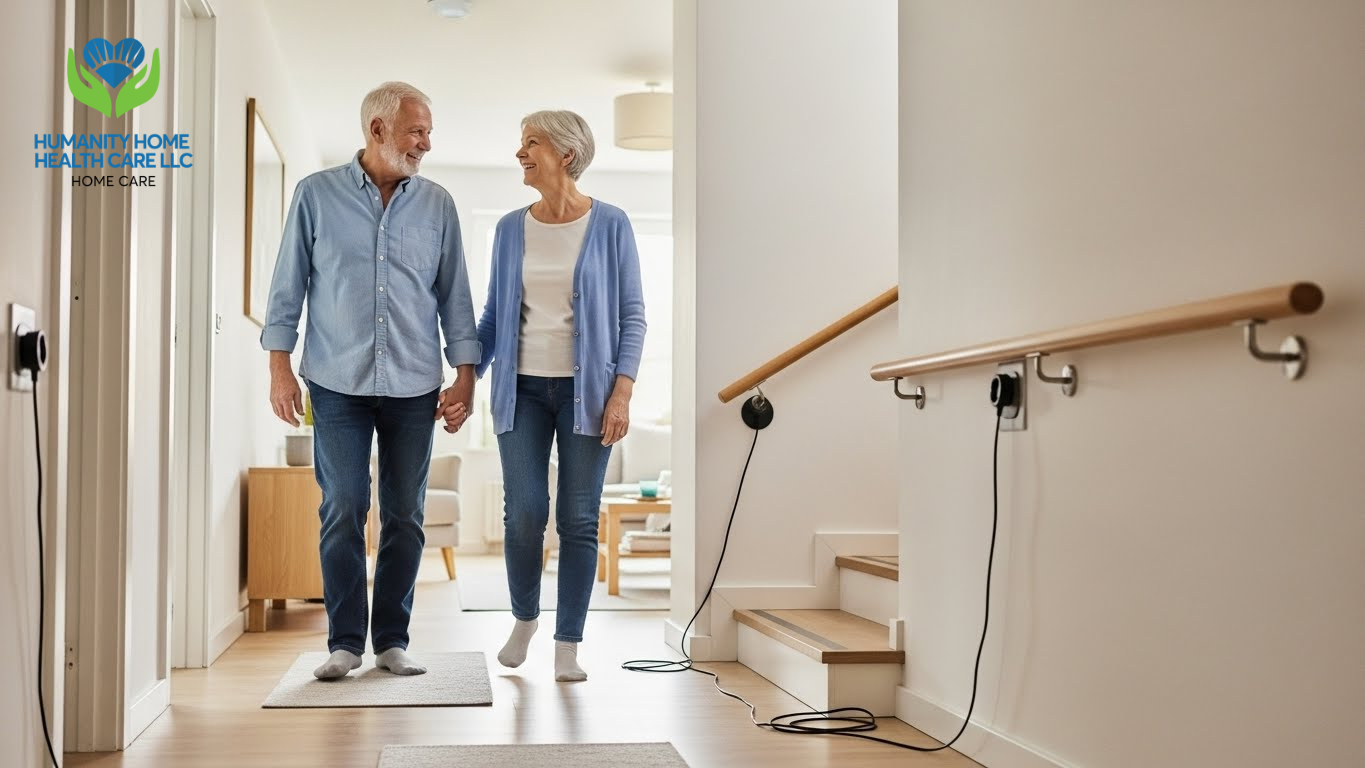
Aging at home allows older adults to remain connected to familiar surroundings, personal routines, and a sense of independence that contributes to stability and emotional security. Familiar spaces often provide comfort and confidence, but they also need to evolve as physical needs change. With thoughtful planning and steady awareness, families can reduce everyday risks while preserving dignity and autonomy.
Understanding Safety Inside Familiar Spaces
Aging at home allows older adults to remain surrounded by routines and environments that feel familiar and grounding. However, comfort alone does not guarantee safety. Subtle changes in balance, vision, and reaction time can affect how a space is used daily. Families who follow senior home safety tips often begin by observing daily habits rather than making immediate changes. This awareness helps maintain independence while identifying risks early, allowing safety adjustments to feel supportive instead of disruptive.
- Pay attention to how movement happens throughout the day
- Note the areas of the home that are used most often
- Introduce small changes early to prevent larger issues later
Reducing Fall Risks Before They Escalate
Falls are one of the most common causes of injury for older adults, especially in high-traffic areas of the home. Bathrooms, hallways, and staircases often require extra attention as they are used repeatedly throughout the day. Practical fall prevention for seniors focuses on minimizing hazards without altering daily routines. Improving lighting, removing loose rugs, and keeping pathways clear help reduce risk while preserving comfort and familiarity.
- Enhance lighting along commonly used walking areas
- Eliminate loose or shifting rugs and mats
- Ensure walkways remain open and free of obstacles
Helping Seniors Move Safely Indoors
Movement plays a critical role in physical health and emotional confidence. When seniors feel uncertain about walking, they may limit activity, which can lead to further decline. Proper layouts, stable furniture, and reachable storage help create reliable senior mobility support within the home. These thoughtful arrangements encourage movement while reducing strain, helping older adults stay active without feeling rushed or supervised.
- Position furniture to provide steady support while moving
- Store everyday items where they can be easily accessed
- Avoid narrow walking paths
Adapting the Home Gradually Over Time
Homes do not need major renovations to remain safe. Thoughtful home modifications for seniors can be introduced gradually, allowing spaces to evolve naturally. Simple changes such as improved lighting or reorganized storage often make a noticeable difference. Gradual adaptation helps maintain familiarity while improving comfort, reducing the need for sudden or overwhelming changes later on.
- Improve lighting in key rooms
- Simplify daily-use areas
- Reduce unnecessary obstacles
Preparing for Unexpected Situations Calmly
Emergency readiness is an important part of long-term safety planning. Conversations around preparedness should feel reassuring rather than alarming. Clear plans help older adults feel confident about living independently. Reliable personal emergency response systems ensure help is accessible when needed, without interfering with daily routines or privacy.
- Have clear conversations about emergency procedures
- Make important contact information easy to find
- Test systems periodically
Organizing Health Care Practices Within the Home
Daily habits influence safety just as much as physical surroundings. Clear schedules and organized routines reduce confusion and support stability. Prioritizing medication safety for seniors helps prevent missed or incorrect doses that may lead to dizziness or fatigue. Consistency in health routines strengthens independence and reduces avoidable incidents inside the home.
- Organize medications clearly
- Maintain consistent schedules
- Encourage hydration daily
Receiving Medical Support Without Relocation
Some older adults require professional medical oversight during recovery or while managing ongoing conditions. Access to skilled nursing at home recovery allows care to continue in familiar surroundings. This approach supports emotional comfort and routine while ensuring proper medical attention, reducing the stress often associated with facility-based recovery.
- Monitor recovery progress
- Maintain familiar routines
- Reduce travel-related strain
Family Support With Clear Boundaries
Family involvement is essential for maintaining safety at home. Clear caregiver safety guidelines help ensure assistance remains respectful rather than overwhelming. Open communication allows older adults to remain involved in decisions that affect their daily lives, preserving autonomy while addressing safety needs thoughtfully.
- Communicate expectations clearly
- Respect personal routines
- Adjust support gradually
Reviewing Home Safety Regularly
Safety needs evolve with time. A structured home safety checklist for seniors helps families reassess risks periodically rather than reacting after incidents occur. Regular reviews encourage calm, proactive planning and help identify new challenges early as routines or health conditions change.
- Reassess safety annually
- Update measures as needed
- Involve seniors in reviews
Local Care and Familiar Support
Community-based care often brings an added sense of comfort and continuity. Families seeking dependable services frequently explore home healthcare Stafford VA, where care aligns with familiar routines and local resources. Localized support helps maintain stability while reinforcing safe living practices at home.
- Maintain local connections
- Support familiar schedules
- Encourage community engagement
Preserving Independence Through Thoughtful Care
Aging at home is most successful when safety planning respects dignity and personal choice. Families who understand the value of senior care Fredericksburg Virginia often focus on maintaining familiarity while addressing evolving needs. When safety is integrated into daily life rather than imposed suddenly, older adults remain confident, comfortable, and engaged.
- Preserve familiar environments
- Support emotional well-being
- Encourage independence daily
Conclusion
Aging at home can remain safe, steady, and empowering when families focus on aging in place safety as an ongoing process rather than a one-time effort. Paying attention to elderly safety at home, daily routines, and small environmental changes supports safe living for older adults while reducing risks and stress. When planning centers on preventing senior injuries at home, independence and comfort are easier to maintain. Guidance and educational resources available through organizations such as Humanity Home Healthcare LLC can help families better understand how thoughtful care decisions support long-term safety without disrupting familiar routines or personal dignity.